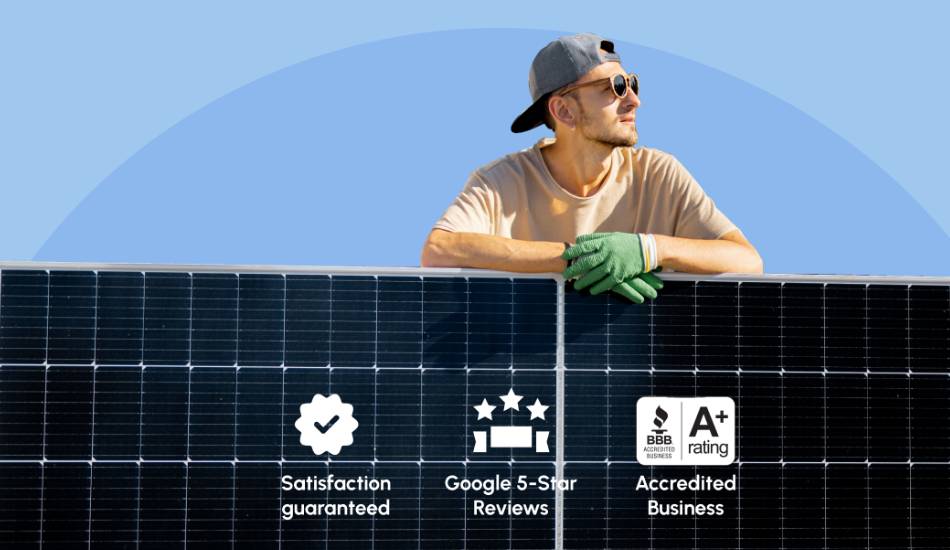
Making the switch to solar energy is one of the most rewarding home improvement projects you can undertake, dramatically slashing monthly electricity bills, reducing your carbon footprint, and boosting your property’s resale value. However, the long-term success, safety, and financial return of your system depend far more on the quality of your installation contractor than on the brand of panels mounted on your roof. Because a residential solar array is a major financial investment engineered to produce power for 25 to 30 years while enduring extreme outdoor weather, partnering with an inexperienced or fly-by-night contractor can result in roof leaks, underperforming systems, electrical hazards, and voided warranties. Taking the time to thoroughly vet prospective solar installers ensures your system is properly engineered, safely connected to the grid, and optimized for maximum lifetime energy production.
The foundational filter when screening solar contractors is verifying their formal credentials, licenses, and insurance coverage. A reputable solar installation company must hold an active, specialized electrical or solar contractor license in your state, along with robust general liability insurance and comprehensive workers' compensation coverage. Beyond mandatory baseline state requirements, look for certification from the North American Board of Certified Energy Practitioners (NABCEP), widely recognized as the gold standard for renewable energy professionals. Installers with NABCEP-certified system designers or lead technicians on staff demonstrate rigorous technical training, deep knowledge of the National Electrical Code (NEC), and strict adherence to industry safety standards and ethics. Beyond licensing, you need an established company with a proven track record of successful installations in your specific local utility territory.
Solar permitting, zoning bylaws, and utility grid interconnection policies vary wildly by municipality; an experienced local installer understands the exact engineering stamps, paperwork, and net metering requirements necessary to prevent costly bureaucratic delays. Furthermore, ask candidates directly whether they use dedicated, full-time, in-house installation crews or if they outsource the labor to third-party subcontractors. Companies with in-house teams maintain strict direct quality control, provide superior communication throughout the construction timeline, and offer seamless accountability if maintenance issues arise down the line, whereas outsourced subcontracting often leads to finger-pointing when something goes wrong. High-quality installers prioritize premium hardware and provide custom, engineered designs tailored to your home's unique roof orientation, shading patterns, and historical energy consumption. During your consultations, evaluate the tier and efficiency of the equipment being proposed: top-tier contractors utilize Tier 1 monocrystalline panels paired with advanced microinverters or string inverters with DC power optimizers (such as Enphase or SolarEdge) to prevent shading on a single panel from dragging down the output of the entire array.
Be wary of installers who rely solely on rough, automated satellite estimates and push an oversized or undersized system without reviewing your past 12 months of electric utility bills or conducting a thorough physical inspection of your roof structure and main electrical service panel. Never settle on the first solar proposal you receive; solicit and compare detailed, itemized quotes from at least three to five reputable providers. When comparing proposals, look past the total sticker price and calculate the true cost per watt ($/W) by dividing the gross system cost by the total wattage of the system (for example, a $20,000 system generating 6,000 watts equals $3.33 per watt). An itemized proposal should clearly delineate equipment costs, labor, permitting fees, expected year-one kilowatt-hour (kWh) production, and realistic financial projections that factor in local utility net metering rates and the 30% Federal Residential Clean Energy Credit. Beware of quotes that seem significantly below market averages, as ultra-low bids often indicate inferior hardware, rushed labor, or hidden post-contract change orders.
A truly dependable solar array requires a multi-layered warranty package that safeguards your investment across multiple decades of continuous operation. Ensure your installer provides four distinct protections: a manufacturer’s equipment warranty (covering hardware defects for 25 years), a power production warranty (guaranteeing the panels will retain at least 80% to 85% of their original output capacity after 25 years), an inverter warranty (typically 12 to 25 years), and an installer workmanship warranty. This workmanship warranty—ideally lasting 10 to 25 years—is critical because it covers roof penetrations, weatherproofing seals, and the structural mounting system, ensuring you are not stuck paying for water damage or roof repairs if an installation issue causes a leak during a heavy storm.
Scrutinize the financing options presented and maintain a healthy skepticism toward aggressive, high-pressure sales tactics. While paying cash or securing a specialized solar loan often provides the highest return on investment and allows you to claim federal tax incentives directly, solar leases and Power Purchase Agreements (PPAs) can also make sense for homeowners who cannot utilize tax credits. However, be alert to red flags like door-to-door salesmen claiming the government is offering "free solar panels," pushing you to sign same-day contracts, or burying hefty 15% to 30% "dealer fees" inside low-interest loan terms. A trustworthy installer acts as an educational consultant rather than a pushy salesperson, presenting transparent financing math without artificial urgency.
Selecting the right solar installer is ultimately a partnership that will span decades, requiring careful research, clear communication, and deliberate evaluation. By insisting on NABCEP-certified professionals, verifying in-house labor, comparing itemized cost-per-watt estimates, and demanding robust multi-layered warranties, you set your clean energy transition up for complete success. Once installed, confirm your contractor provides 24/7 mobile system monitoring so you can track real-time energy production and ensure optimal performance. Taking the time to choose a reliable, highly rated contractor today guarantees your solar investment will safely, efficiently, and profitably power your home for decades to come.